The Pradhan Mantri Awas Yojana 2026 is set to continue as one of India’s most ambitious affordable housing initiatives.
Meant for families aiming to own a home, it promises a path to a secure residence with government support. Individuals, urban and rural, can benefit from this scheme if they meet certain criteria.



This article explores PMAY 2026, eligibility, the application process, and realistic expectations.
The aim is to support those considering this step, without overwhelming or promising too much.
Understanding Pradhan Mantri Awas Yojana 2026 and Its Impact
Pradhan Mantri Awas Yojana (PMAY) targets the dream of “housing for all” by 2026 in India.
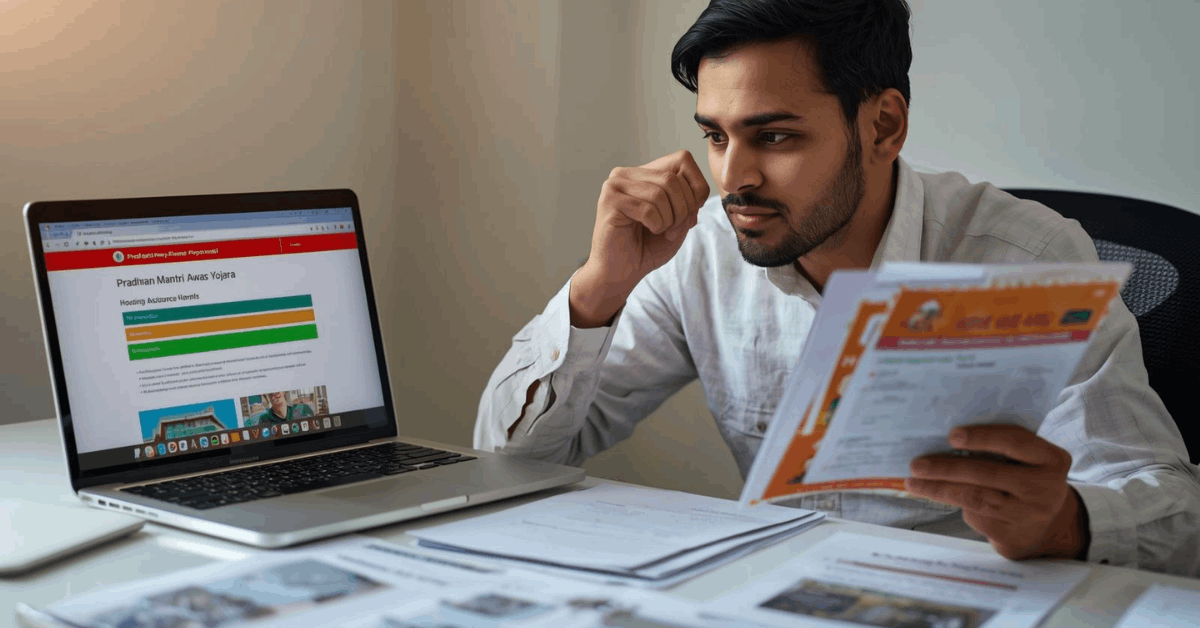
The scheme helps to reduce the financial burden of homeownership among lower and middle-socioeconomic groups.
While the headline sounds promising, many are unsure about who precisely can apply and what to expect. The reality lies in careful documentation, meeting eligibility standards, and regular updates on policy changes.
PMAY Urban and Rural: Two Main Divisions
PMAY is divided into PMAY-Urban (PMAY-U) and PMAY-Rural (PMAY-G). Both share the same aim, but they address distinct needs.
PMAY-U focuses on urban housing, typically in towns and cities, whereas PMAY-G covers the needs of families in rural areas.
Eligibility slightly differs between the two, emphasizing the importance of verifying requirements based on one’s domicile.
Recent Changes and the 2026 Target
Recent years have brought several tweaks to PMAY guidelines, eligibility conditions, and timelines.
With 2026 as a new milestone, there may be a few changes in documentation, application windows, or subsidy calculations.
Checking official updates regularly remains crucial, as these small shifts can sometimes create unexpected challenges or new opportunities.
Eligibility Criteria for Pradhan Mantri Awas Yojana 2026
Eligibility for PMAY 2026 is usually determined by the applicant’s income, family composition, property ownership, and location. Some requirements may feel restrictive, yet others allow for broader participation.
Key Eligibility Points
- Applicant must not own a pucca house in their, or their family’s, name anywhere in India.
- The family includes the applicant, spouse, and unmarried children.
- Income brackets include EWS (up to ₹3 lakh/year), LIG (₹3–6 lakh/year), MIG-I (₹6–12 lakh/year), and MIG-II (₹12–18 lakh/year).
- The scheme is for both first-time homebuyers and those without a permanent property.
- Female beneficiaries or co-ownership are often prioritized, especially under PMAY-U.
- For PMAY-G, rural verification via Gram Panchayat is required.
Sometimes individuals fall into a gray area—maybe they own ancestral land, or their spouse’s name is on another property. These nuances can impact eligibility. Checking all documents and being transparent avoids future issues.
Step-by-Step Application Process for PMAY 2026
The application process for PMAY 2026 can appear daunting at first. However, online systems have made it more accessible. The government encourages web-based applications, although paper submission is allowed in select regions.
1. Keep All Documents Ready
- Identity proof (Aadhaar, Voter ID, PAN card, etc.)
- Income proof (salary slips, ITR, self-declaration for certain income groups)
- Property documents (if applying for home enhancement or new build)
- Caste or minority certificates (if relevant)
- Bank account details and a recent photograph
2. Access the Official PMAY Portal
The main website for urban is [pmaymis.gov.in]. For rural applications, visit https://pmayg.nic.in. These portals guide applicants clearly, though a few might find the language technical.
3. Choose the Right Application Section
- PMAY-U: Select “Citizen Assessment” and pick either “Benefits under other 3 Components” or “Slum Dwellers”.
- PMAY-G: Look for “Data Entry” or “Application Status” based on your progress.
4. Complete the Online Form Carefully
While the form is straightforward, attention to detail is essential. Filling in names, income, and property details exactly as stated in supporting documents helps minimize rejection.
Double-check everything before moving to the confirmation stage. Small mistakes—like a mismatch in spelling or figures—often delay the process unnecessarily.
5. Submit and Note Your Application Reference
Once submitted, the site generates an Application Reference Number. Keeping this handy for status checks or follow-ups is always a good idea. Not everyone receives immediate updates, so a little patience might be needed.
6. Tracking Application Status
Applicants can track progress online using their reference number or reach out to local nodal agencies for updates.
Delays do happen, whether due to a spike in applicants or minor documentation errors. Applicants can gently nudge officials if wait times stretch unexpectedly, but sometimes patience works best.
Important Benefits Offered Under PMAY 2026
The benefits of PMAY 2026 go beyond a subsidy or loan—though those matter a lot. Every applicant experiences the scheme differently, and clarity on benefits can help manage expectations.
Subsidies and Loan Interest Reduction
PMAY offers an Interest Subsidy through the Credit-Linked Subsidy Scheme (CLSS). Depending on income group, the subsidy ranges from 3% to 6.5% for loan amounts up to specific limits. LIG and EWS generally get higher benefits than MIG applicants.
Direct Cash Support
Rural applicants—for new house construction or upgradation—receive a direct financial grant, usually credited to their bank account after proper verification by local authorities. This support, while significant, still requires the applicant to control costs carefully.
Women-centric Incentives
Women applicants, or homes registered in a female’s name, may receive priority. This is a notable initiative, potentially empowering households and securing women’s property rights.
Common Challenges and Mistakes in PMAY Applications
Many applicants, understandably, struggle with tiny errors in their PMAY forms. The volume of applications can lead to confusion, misunderstanding, and delays.
Frequent Pitfalls
- Omitting required documents or uploading unclear scans
- Minor spelling mistakes in names and addresses
- Mismatched details between different documents
- Overstating or understating income by mistake
- Unawareness of recent policy changes
A cautious and patient approach reduces risks.
If unsure, talking to official help desks or local offices helps, though responses can sometimes be slower than expected. Some applicants feel overwhelmed, but that’s a normal reaction, and support is often available.
How to Increase Chances of Approval in 2026
While approval is never “guaranteed,” some practical steps improve the chances. Paying attention to detail, early document gathering, and honest disclosure typically help.
Double and Triple-Check Information
Applicants who give themselves time to review forms carefully have fewer problems down the road. Sometimes, it might seem unnecessary, but triple-checking avoids hassle.
Stay Updated with Official Guidelines
The official PMAY portals, central and state housing boards, and reputable news outlets like India Today provide updates. Relying on social media might be tempting, but sticking to verified sources is often wiser.
Seek Expert or Official Help If Needed
Those confused by the language, rules, or process can consult local Common Service Centers (CSCs) or legal aid clinics. Urban banks and municipal offices also offer support, though sometimes patience is necessary.
Other Government Schemes That Complement PMAY
PMAY is not the only resource for affordable housing in India. Sometimes, combining schemes—or at least knowing about options—can make a material difference.
- Credit Linked Subsidy Scheme (CLSS, also standalone in some banks)
- State-specific urban housing programs
- Pradhan Mantri Gramin Awaas Yojana (for rural benefits)
- Local municipal incentives (vary by city or state)
Applicants might discover that some benefits overlap, but generally, these are structured to complement each other if requirements are met.
Legal and Tax Considerations for Applicants
Applicants sometimes overlook the legal and tax aspects of owning a home under PMAY. These can affect long-term financial planning, so basic awareness helps.
Property Transfer and Registration
Proper legal registration is mandatory. Missing out on this can lead to issues if the property is ever sold or inherited. Legal advice, though not compulsory, is smart when in doubt.
Tax Benefits for Home Loan Borrowers
Claiming deductions under Sections 80C and 24(b) might be available if a home loan is used. However, tax law is complex, so it’s advisable to check with a trusted CA or consult the official Income Tax Department portal for updated details.
Frequently Asked Questions About PMAY 2026
- Are both salaried and self-employed people eligible? Yes, if income proofs are clear.
- Is Aadhaar mandatory? Technically, yes for most applicants.
- Can I apply offline? Yes, at select banks and government centers.
- How long does it take? Processing varies by state, usually a few weeks to months.
- Can NRIs apply? No, only Indian citizens are eligible at present.
Conclusion
Pradhan Mantri Awas Yojana offers truly exceptional, affordable housing opportunities, genuine financial assistance benefits, authentic homeownership accessibility, comprehensive government support, proven, reliable housing programs, and excellent assistance.
Apply for Pradhan Mantri Awas Yojana in 2026 today with complete confidence, knowing your thorough preparation and clear application process understanding will help you effectively access affordable housing benefits.